
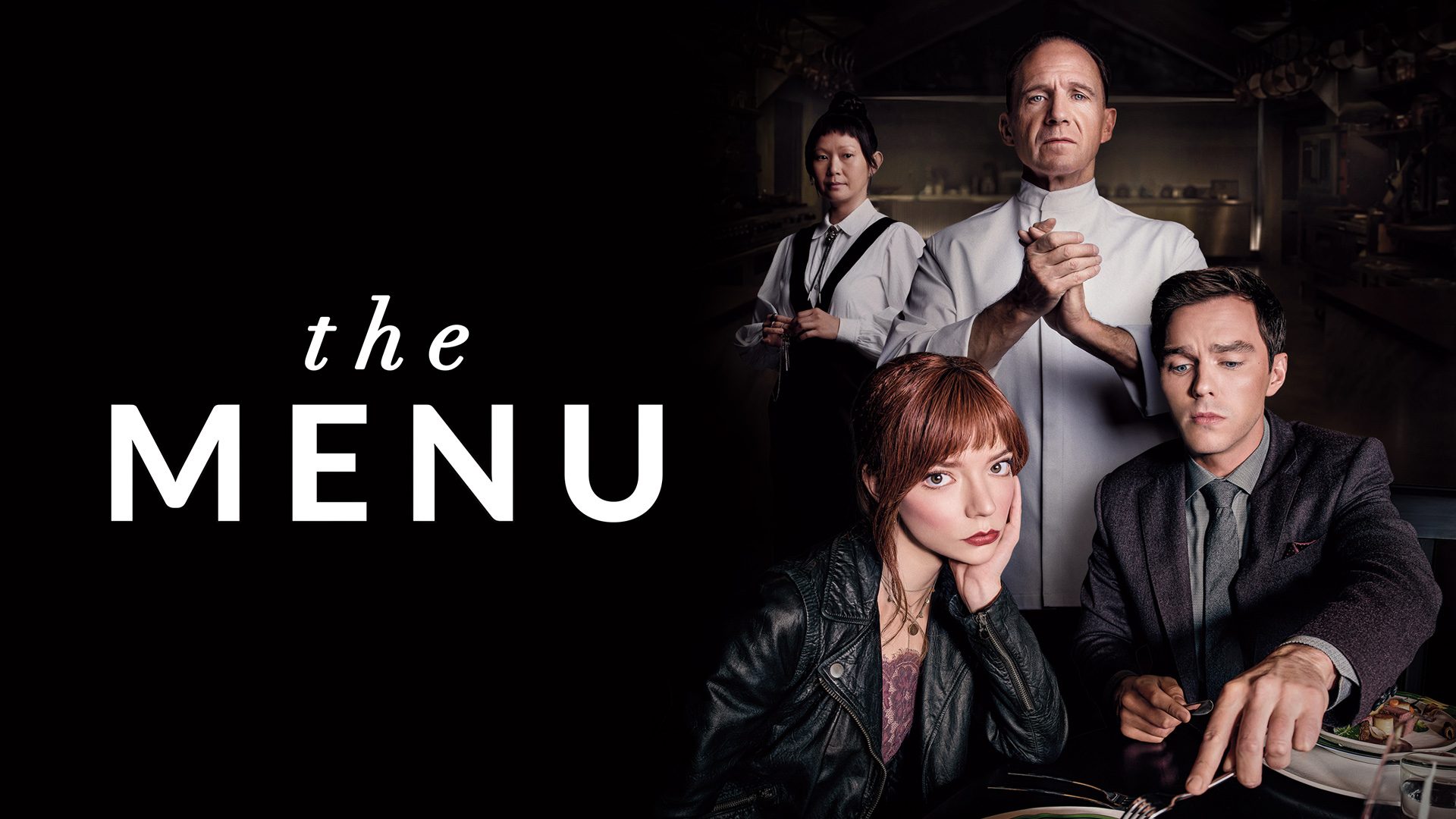
The Menu Shop Secrets: Inside the Film's Most Haunting Set
Step onto the dimly lit floorboards and you’ll feel the chill that made audiences gasp when the film’s most unforgettable location was finally revealed. The Menu Shop is not just a backdrop; it’s a character that whispers through every shadow, every clang of kitchenware, and every flicker of neon. In this behind‑the‑scenes look, we pull back the heavy curtains to uncover the secrets that turned a simple set into a haunting masterpiece.
Behind the Doors of The Menu Shop
The first challenge for the production designer was to make the shop feel lived‑in yet unsettling. They started with a real, abandoned diner in downtown Los Angeles, stripping it of its nostalgic charm. Walls were sanded down, paint peeled, and the original signage was replaced with a custom‑crafted neon sign that flickered just enough to hint at something wrong. The set crew added layers of grime—coffee stains, grease splatters, and rusted metal—to amplify the sense that the space had been neglected for years.
Lighting played a pivotal role. Strategically placed amber gels created pools of warm light that contrasted with cold, blue‑tinted shadows creeping across the floor. This tension made viewers subconsciously wonder what lurked just beyond the reach of the camera. The result was a space that seemed both inviting and threatening, the perfect paradox for a horror‑thriller.
Design Choices that Amplify the Haunting Atmosphere
Every prop in The Menu Shop was chosen with intention. The kitchen island, for instance, features a cracked marble top that echoes the fractures in the story’s narrative. Vintage appliances, all painstakingly restored to look functional yet out of place, sit under a low‑hang ceiling that makes the space feel claustrophobic.
Sound designers added another layer of dread. When the camera moves past the pantry, you can hear the subtle hum of a refrigerator that never quite turns off, paired with the faint echo of distant footsteps. These auditory cues are synchronized with the visual decay, creating an immersive experience that stays with the audience long after the credits roll.
Hidden Details Filmmakers Hoped You’d Miss
Sharp eyes might spot a series of cryptic symbols etched into the back wall of the shop. These are not random; they reference an old urban legend that the film’s writer used as inspiration. Additionally, a small, hand‑written menu tucked behind the register lists items that never appear on screen—each a nod to classic horror tropes, from “Blood‑Red Soup” to “Midnight Pudding.”
Even the lighting fixtures hold secrets. The chandeliers are actually repurposed antique fire‑hoses, painted black to absorb light, casting ominous silhouettes on the floor. When the main character flips a switch, the sudden change in illumination reveals a hidden compartment under the floorboards—a clever Easter egg that hints at the plot’s deeper mysteries.
The Legacy of the Set in Pop Culture
Since the film’s release, The Menu Shop has become a pilgrimage site for fans and aspiring set designers alike. Social media is flooded with recreations of its most iconic elements, from DIY neon signs to makeup tutorials replicating the gritty skin tones of the shop’s owner. The set’s influence extends beyond the screen, inspiring a wave of horror‑themed pop‑up restaurants that aim to capture its eerie charm.
Critics praise the set for its ability to balance realism with stylized terror, a feat that many say will set a new benchmark for future productions. As studios continue to chase that perfect blend of atmosphere and story, the lessons learned from The Menu Shop will undoubtedly echo in the halls of Hollywood’s next horror hit.
In the end, the allure of The Menu Shop lies in its meticulous craftsmanship and the emotions it evokes. It proves that a haunting set isn’t built solely with props or lighting, but with intention, detail, and a deep understanding of fear’s anatomy. Whether you’re a film buff, a design enthusiast, or just someone who loves a good scare, the secrets behind this iconic location offer a fascinating glimpse into the art of cinematic terror.


